Organizing ones own concerts involves risk, sweat and most of all friends. If it weren’t for my friends and family, I would surely be nowhere after all.
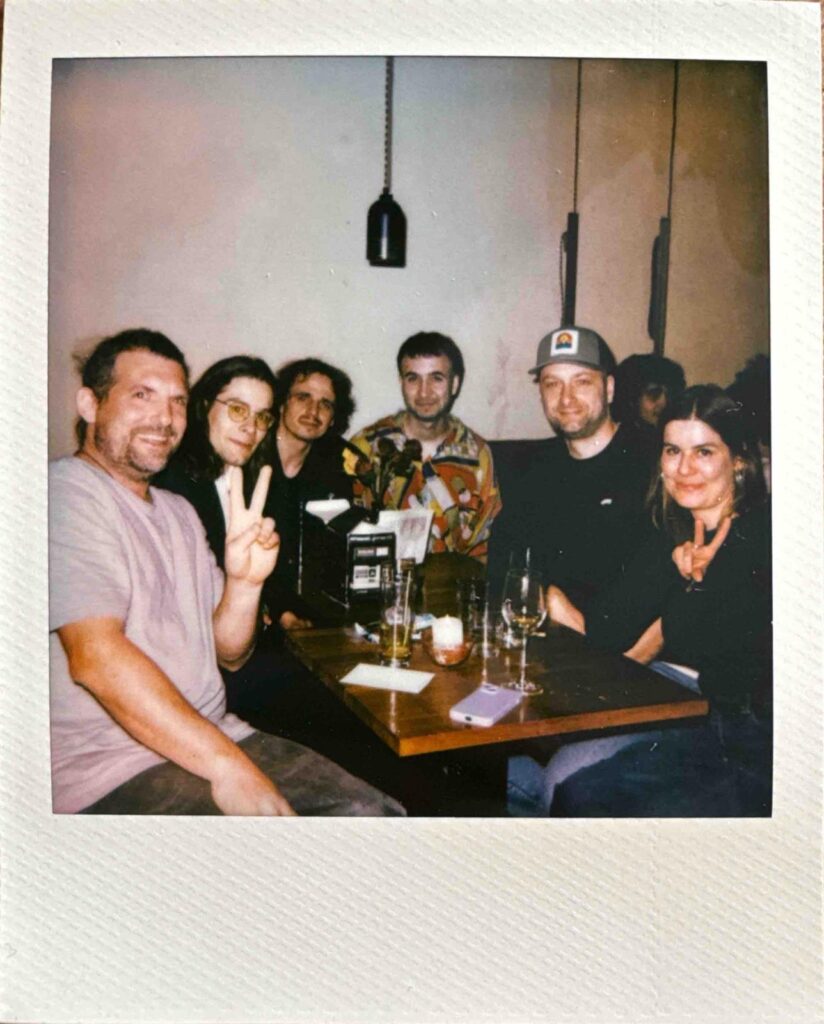
These „wins“ and „failures“ have taught me what everyone learns at some point: life is not designed to involve any notion of „fairness“.
One may win by sheer luck alone, the next day loose although one worked very hard towards success.
Like I said there is but one constant: friends and family.
And so this article is dedicated to them, the most important persons in any ones life.
What we have, we take for granted, and it takes true effort to sit down and think. Think, not only what they gave or are giving to you, but also what hole you would leave, if you left. We often underestimate that.
The first instrument in any musicians life is probably the voice. I was more of a whistler though. I remember going on hikes with my grandparents or parents, and how I would just whistle weird jazz lines for hours (sounds like I made it up but its true).
What comes next is either drums or the flute, cause these are easily available and fun to learn. Maybe a small xylophone could also inspire some early practice.
The point is: the circumstances we grow up in greatly shape us.
But after we may have been cared for well, or may not have been, there is but one deciding factor that sets us up for failure or for success in later life: conscientiousness.
The Merriam-Webster dictionary give us the following definition: „(to)exercising attentive care to avoid errors or omissions : concerned with doing something correctly“. It also says: „governed by or conforming to the dictates of conscience“
Surely, it is not the only factor, but a large factor. But where do we learn to be conscientious?
A brief look at the most popular articles on the topic would tell you that not only they all struggle to define what conscientiousness is, but also they wiggle themselves around by an amalgamation of adjectives: „long-term“, „motivated“, „focused“.
In my opinion, this is what they are afraid to voice, because it sounds outdated: Being conscientious involves acting by a higher moral code and it involves having a work ethic.
It involves ordering things in a hierarchy of value.
To me, my friends and family are very high up in that hierarchy. My trumpet career is important, too of course, but not as important.
Health is a big one, too.
The point: Success (personally and impersonally defined) is in your hands, determined by how true you can be to yourself and your loved ones.
How to develop conscientiousness: First, think what is important to you. Second, act accordingly.
This philosophical sidetrack gives me the opportunity to thank everyone who came around (friends & family) the second “Utopie in Blue” Edition.
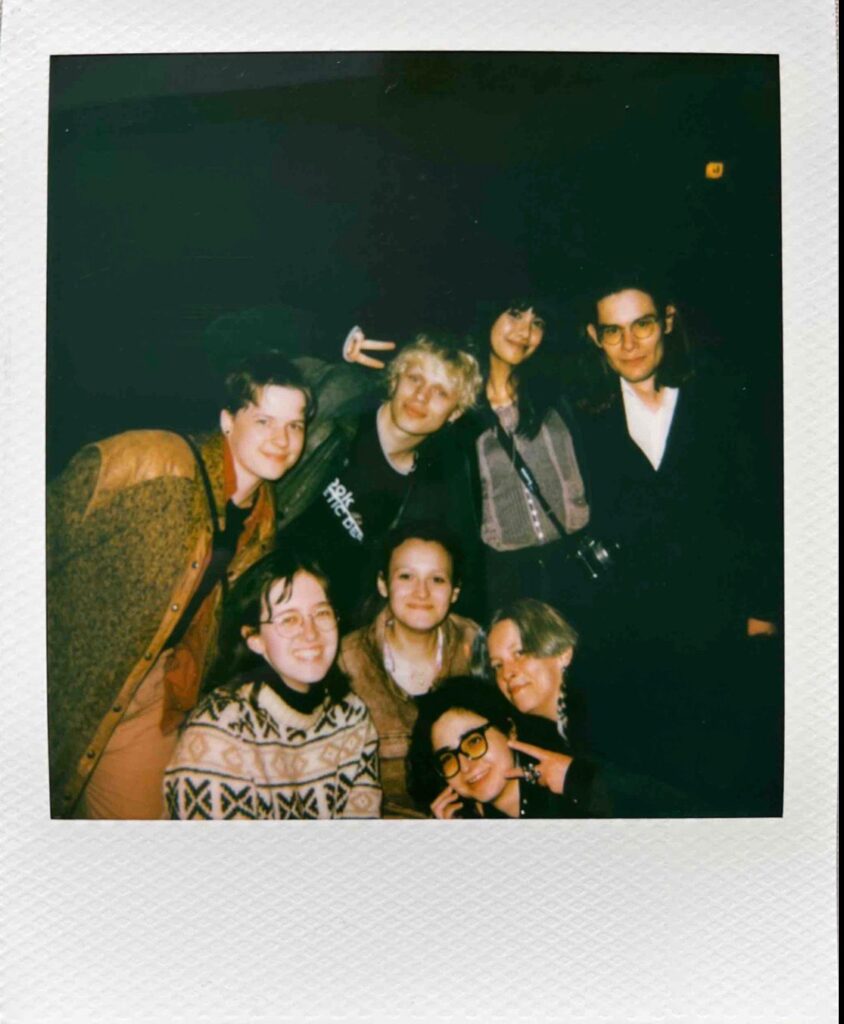
I leave here also a little edit from some moments of the concert:
The next semester starts now for me, and I am pretty excited about the new opportunities for learning and collaboration that may await.
See you around,
Fabio
Leave a Reply